Aeeilwa: A Handwritten Font for Elegant Editorial Design
Choosing the Right Typeface for a Lifestyle Blog Redesign
As I worked through the visual identity for a new lifestyle blog, the font selection became a pivotal decision. The blog centers around mindful living, seasonal recipes, and curated home interiors—so the typography needed to reflect warmth, personality, and editorial clarity. I had explored several script fonts but kept returning to Aeeilwa. Its soft, handwritten rhythm felt just right for the blog’s header and feature titles without sacrificing readability.
Understanding Aeeilwa’s Visual Character and Editorial Appeal
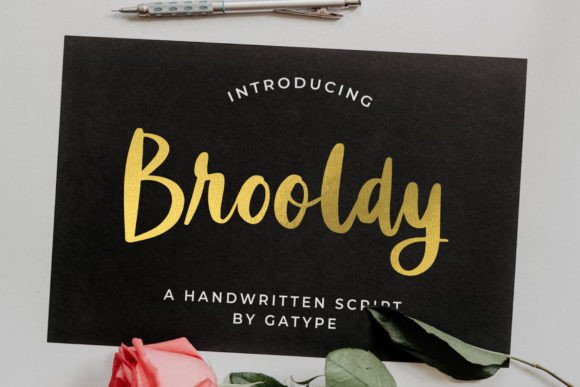
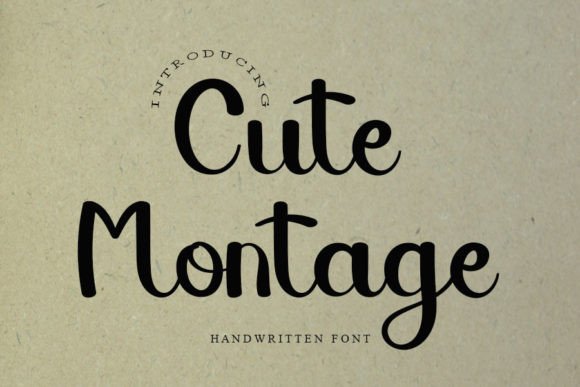
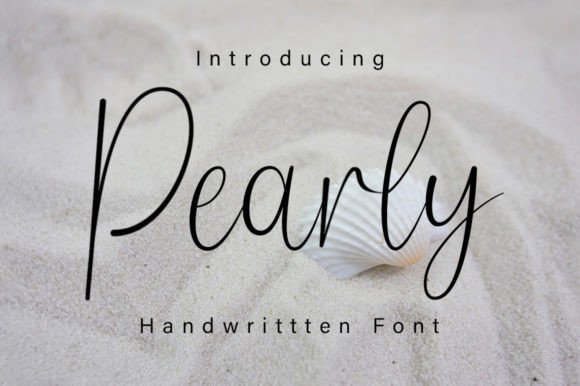
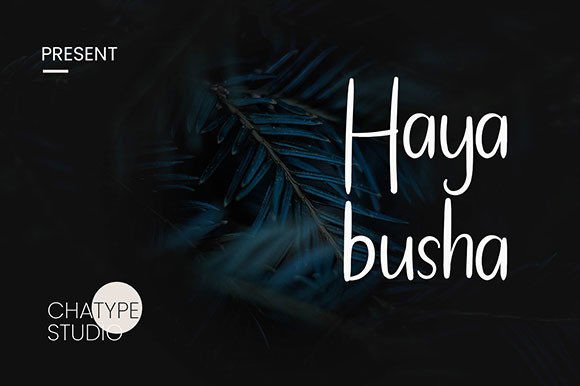
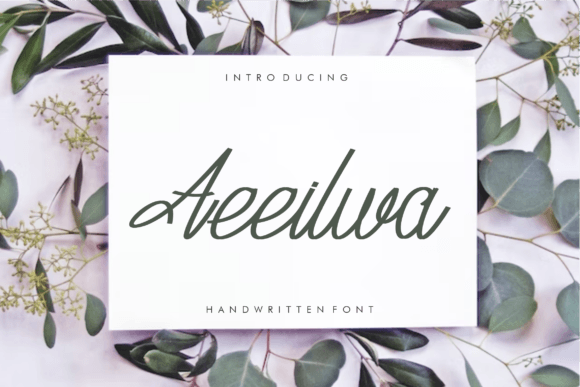
Aeeilwa is a light, elegant handwritten font with a modern twist. It carries the warmth of a personal note while maintaining the structure needed for editorial use. Each letter flows naturally, with subtle variations that suggest authenticity without overwhelming the reader. It’s a script font that feels both contemporary and timeless, making it a versatile choice for content creators who want to convey sophistication without formality.
The font’s open spacing and gentle curves make it ideal for titles and short-form text where visual impact matters. It doesn’t lean too far into the casual territory like some brush scripts do, which helps maintain a sense of editorial polish. In a lifestyle blog or digital magazine, Aeeilwa can elevate the tone of a featured article or newsletter header without feeling out of place in a modern design landscape.
Testing Aeeilwa Across Real Editorial Layouts
I first used Aeeilwa in a redesigned blog header and noticed how it softened the overall aesthetic. Paired with a clean sans serif like Lato or a readable serif like Merriweather, it created a balanced hierarchy that guided the reader’s eye naturally. I then tested it in a recipe ebook cover, where its lightness and legibility helped create a warm, inviting tone without crowding the layout.
In a digital magazine layout, I applied Aeeilwa to pull quotes and section headings. The font held up well on screen, especially at larger sizes. Its character set includes ligatures and alternates that added subtle variety to repeated use, keeping the design from feeling static. On mobile, the font scaled gracefully, maintaining its elegant structure even in tighter spaces.
When and Where to Use Aeeilwa Effectively
Aeeilwa shines best in short-form, high-impact applications. It works beautifully in:
- Blog headers and logo design
- Ebook covers and digital magazine titles
- Newsletter graphics and social media posts
- Wedding guides, printable planners, and coaching workbooks
- Pull quotes and chapter openers in long-form content
It’s less suited for body copy or small text due to its script nature and decorative qualities. Dense paragraphs or formal reports may lose clarity if set in Aeeilwa. However, for decorative accents, section headers, or branding elements, it adds a refined, human touch that elevates the overall design.
Font Pairing and Readability Considerations
One of the strengths of Aeeilwa is how well it pairs with other fonts. As a display font, it benefits from being paired with a highly readable serif or sans serif. For example, using Aeeilwa for a newsletter header and then switching to a clean sans serif like Open Sans for subheadings and body text creates a harmonious visual flow.
For printables and PDF guides, I found that Aeeilwa retained its clarity when exported at high resolution. On screen, especially in web design or email templates, it performed best at 24px or larger. Always test font rendering across devices and platforms to ensure legibility remains consistent.
What to Know Before Licensing Aeeilwa for Commercial Use
Before incorporating Aeeilwa into any publication or digital product, it’s important to verify the font’s licensing terms. Many premium fonts, including those categorized as script or decorative typefaces, require commercial licenses for use in ebooks, templates, or client work. Aeeilwa is typically offered with a commercial use license, but it’s always wise to double-check included file formats, language support, and permitted applications.
The font includes multiple styles, ligatures, and alternate characters, which adds flexibility for design customization. It supports multilingual characters and is available in common formats like OTF and TTF, making it compatible with most design software and publishing platforms.